Normal Hair Loss
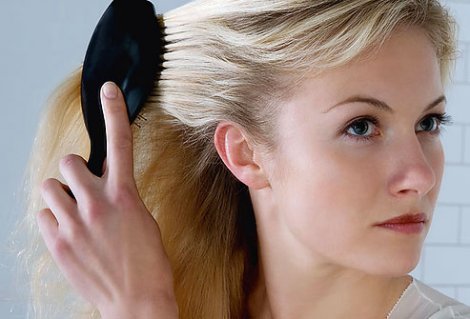
People lose certain amounts of hair daily. It is normal to see some strands on a brush after combing or in shower after washing. Some people lose more hair than others and it still might be all right. It depends on age, hair length and thickness, hormonal changes, overall health, climate, season, and some other factors.
Read full “Normal Hair Loss”
Hair Loss and Tooth Infection

All the organs in the body are closely connected. Foot massage takes care of the health of inner organs such as heart, liver, and lungs. Skin color and condition can usually say about liver or kidney problems… Some people strongly believe that there is a connection between teeth and hair: they say that a tooth infection might be a reason for a temporary hair loss such as alopecia areata.
Read full “Hair Loss and Tooth Infection”
Hair Loss in Afro-Americans

Hair loss in Afro-American people is a little different than in Caucasian. Although it happens equally often for the representatives of both races, it is more noticeable in Caucasian people, so it is easier to recognize the alopecia and treat it on the early stages before the person actually gets bald spots.
Read full “Hair Loss in Afro-Americans”
The Connection between Smoking and Hair Loss
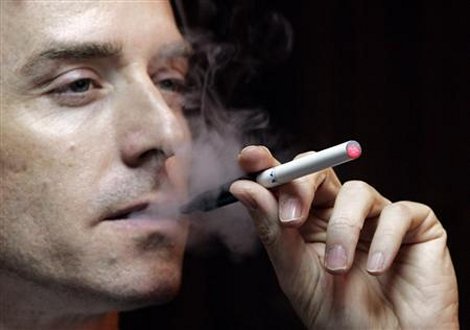
Only a century ago smoking was in great favor. For many decades doctors used tobacco in treatment of numerous diseases, royal families believed that nothing could eliminate headaches as well as tobacco, noble people were gathering together to have talks and smoke cigars, and those who could not afford cigars used to chew tobacco which was cheaper. Time went by and now smoking is blamed for almost any trouble of the mankind. Many studies have proven negative aspects of tobacco use: it leads to various forms of cancer, heart and lung problems, coughing, bad breath and even hair loss.
Read full “The Connection between Smoking and Hair Loss”
Hair Loss and Stress

Stress hits every person at least once. Pregnancy and childbirth, death of a close person, serious disease, financial or job problems, family troubles like big arguments or divorce are only few reasons for stress. While for some people it goes away without any damage to their health, the others suffer physical problems one of which is hair loss.
-
-
Categories
-
Subscribe

-
Recently Written
-
Archives
- October 2010
- September 2010
- August 2010
- July 2010
- June 2010
- May 2010
- April 2010
- March 2010
- February 2010
- January 2010
- December 2009
- November 2009
- October 2009
- September 2009
- August 2009
- July 2009
- June 2009
- May 2009
- April 2009
- March 2009
- February 2009
- January 2009
- September 2008
- August 2008
- July 2008
- June 2008
- May 2008
- April 2008
- March 2008
- February 2008
- January 2008
- December 2007
- November 2007
- October 2007
- September 2007
- August 2007

